
What Businesses Should Know About Commercial Septic and Sewer System Installation
Businesses seeking commercial septic and sewer system installation aim to ensure reliable waste management, and local contractors can provide expert installation and system design assistance.
Understanding what businesses should know about commercial septic and sewer system installation is essential for property owners planning new developments, expanding existing facilities, or upgrading outdated infrastructure. Proper installation ensures reliable waste management, helps prevent costly disruptions, and supports compliance with local regulations. Whether managing a restaurant, retail space, or industrial operation, knowing the basics can guide decisions and highlight the importance of working with experienced local contractors who specialize in commercial septic and sewer systems.
Exploring this topic further can reveal practical insights into site assessment, system design, and the importance of choosing the right installation approach for specific property needs. Local service providers offer expertise in evaluating property conditions, recommending suitable systems, and ensuring installations meet regulatory standards. Connecting with these trusted professionals can help property owners make informed choices and lay the groundwork for efficient, long-lasting waste management solutions tailored to their business operations.
Get Quotes for Commercial Septic And Sewer System Installation
- Commercial septic system installation - businesses planning to establish or upgrade facilities in areas without municipal sewer connections often require local contractors to handle septic system setup.
- Sewer system installation - new commercial properties or those expanding operations may need sewer lines installed or rerouted, with local service providers managing the complex underground work.
- Septic tank installation - facilities that rely on onsite waste management systems must work with local pros to ensure proper tank placement and compliance with local codes.
- Septic system repair and upgrades - existing commercial systems experiencing issues or needing capacity improvements benefit from experienced local contractors to assess and enhance their setup.
- Sewer line connection services - businesses integrating with municipal sewer systems or replacing outdated lines rely on local experts to ensure proper connection and system functionality.
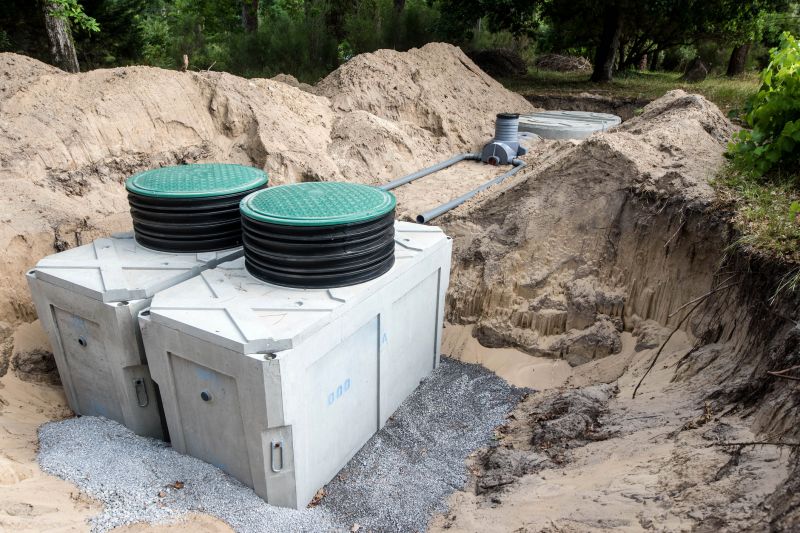
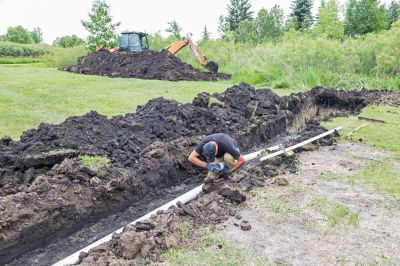
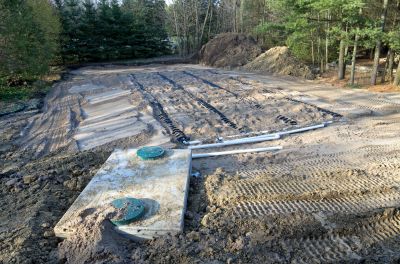
When searching for information about commercial septic and sewer system installation, many business owners are looking to understand the fundamentals of what this process involves and why it matters. Typically, the focus is on how these systems support the daily operations of various types of properties, especially those that are not connected to municipal sewer lines. Business owners may be planning new developments, expanding existing facilities, or replacing outdated systems, making it essential to grasp the scope of work involved and the role that local contractors play in ensuring proper installation. Clear understanding of what commercial septic and sewer systems do helps businesses prepare for the logistical and technical considerations that come with installing or upgrading these vital infrastructure components.
This topic often relates to a range of problems or plans, including the need to accommodate increased capacity for waste management, adhere to local health and environmental regulations, or resolve issues stemming from existing septic or sewer failures. For some businesses, the installation process is part of a larger construction project, such as building a new restaurant, retail space, or manufacturing facility. Others may be replacing an aging or malfunctioning system to prevent costly disruptions or environmental hazards. In these situations, understanding the intricacies of commercial septic and sewer system installation helps business owners make informed decisions, ensuring that the system is designed and installed correctly to support ongoing operations.
The types of properties that typically come up when discussing commercial septic and sewer system installation include industrial sites, office complexes, retail centers, restaurants, and other commercial facilities that are not served by municipal sewer lines. These properties often require larger or more complex systems than residential setups, with features tailored to their specific waste management needs. For example, a restaurant may need a system capable of handling high volumes of wastewater, while a manufacturing plant might require specialized components to manage industrial effluents. Recognizing the nature of these properties helps business owners understand the scope of work involved and how local service providers can customize installation solutions to meet their unique requirements.
Understanding what businesses should know about commercial septic and sewer system installation also involves recognizing the importance of working with experienced local contractors. These professionals have the expertise to assess property conditions, design suitable systems, and execute installations that comply with local codes and standards. They can guide business owners through the planning process, ensuring that the system is properly sized and positioned to handle current and future waste management needs. Connecting with knowledgeable service providers helps ensure that the installation process proceeds smoothly, reducing the risk of costly errors or system failures down the line. This practical approach ensures that commercial properties have reliable, efficient septic or sewer solutions tailored to their specific operational demands.
Stormwater Drainage Projects - These projects involve planning and installing systems to manage surface water runoff, requiring similar site assessment and underground piping skills as commercial sewer installations.
Underground Utility Installation - Installing water, gas, or electrical lines underground shares the planning, trenching, and safety considerations involved in sewer and septic system setup.
Drainage System Design - Designing efficient drainage solutions for commercial properties involves understanding soil conditions and proper piping layouts, akin to septic system planning.
Environmental Site Preparation - Preparing land for construction includes excavation and soil assessment, which are foundational skills for sewer and septic system installation projects.
Water Line Installation - Installing water supply lines requires knowledge of underground piping, trenching, and local codes similar to those used in sewer and septic system work.
Wastewater Treatment System Setup - Setting up commercial wastewater treatment units involves planning and installation processes that overlap with septic and sewer system installation techniques.
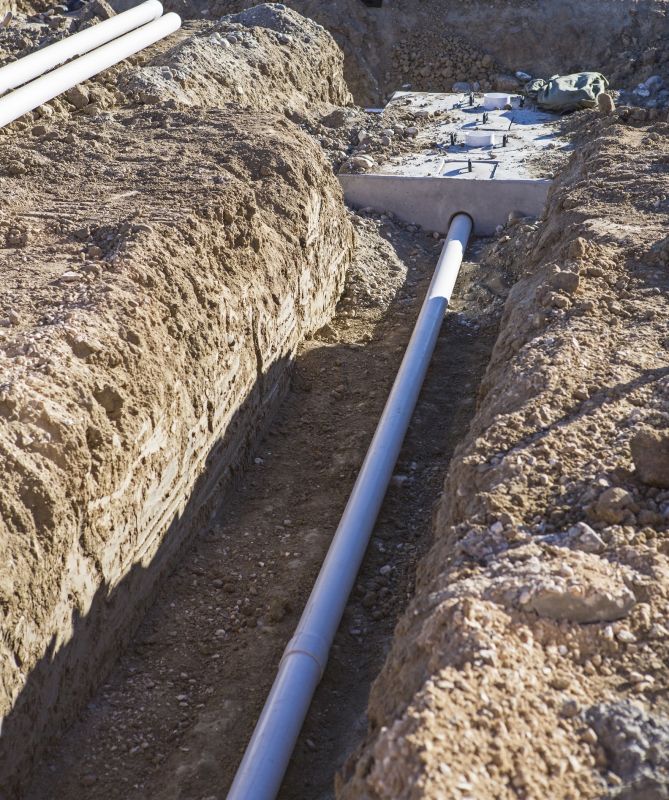
When evaluating contractors for commercial septic and sewer system installation, it’s important to consider their experience with similar projects. Contractors who have a proven track record working on commercial systems are more likely to understand the complexities and specific requirements involved. Asking about past work can provide insight into their familiarity with the scale and scope of commercial installations, ensuring they have the practical knowledge needed to handle the unique challenges that may arise. A contractor’s history with comparable projects can be a valuable indicator of their ability to deliver reliable results tailored to the needs of a business property.
Clear written expectations are essential when selecting a service provider for commercial septic and sewer system installation. A reputable contractor will be transparent about the scope of work, materials to be used, and the estimated process involved. Having detailed documentation helps prevent misunderstandings and ensures that both parties are aligned on project goals. It’s helpful to review any written proposals or contracts carefully, making sure they specify the work to be performed and the standards to be met. Clear communication of expectations can contribute to a smoother installation process and minimize potential issues down the line.
Reputable references and good communication are key factors in choosing a reliable contractor. Trusted service providers should be able to provide references from previous commercial clients who can speak to their professionalism and quality of work. Additionally, effective communication throughout the project can make a significant difference; a contractor who promptly responds to questions and provides updates demonstrates a commitment to transparency and customer service. These qualities help ensure that the project progresses efficiently and that any concerns are addressed promptly, ultimately supporting a successful installation that meets the specific needs of a business.
Get a Quote for Commercial Septic And Sewer System Installation
Property owners often search for what businesses should know about commercial septic and sewer system installation when they are planning practical projects around their homes and businesses. Local pros provide Commercial Septic and Sewer System Installation services for everyday jobs and straightforward project options.
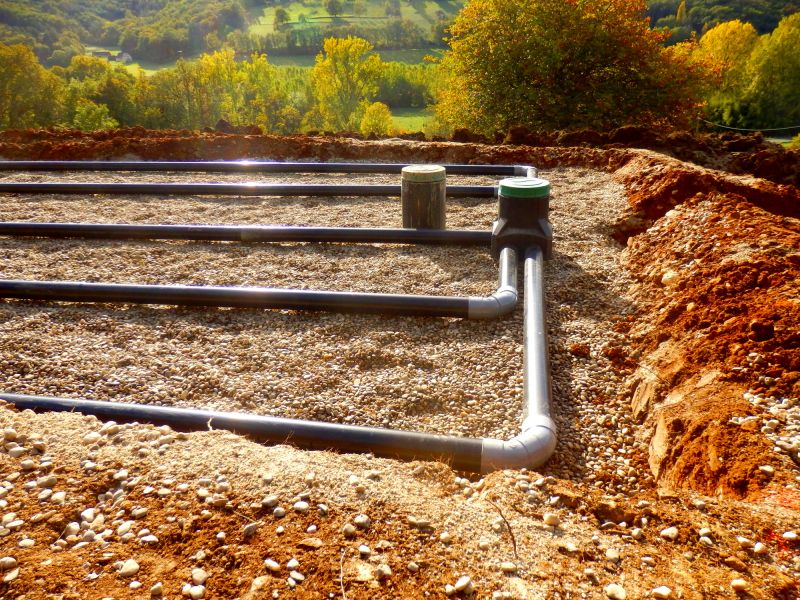
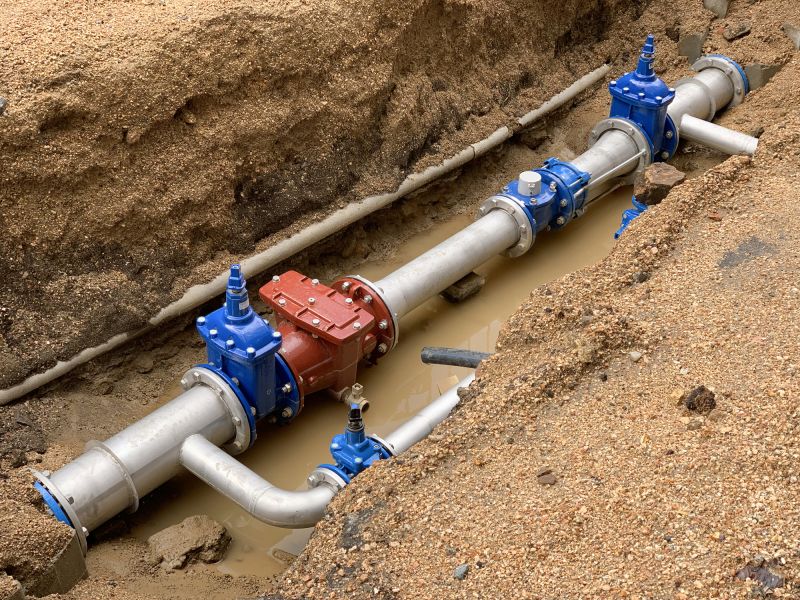
Understanding the essentials of commercial septic and sewer system installation is important for business owners managing properties that lack access to municipal sewer lines or need an upgrade. Everyday project situations, such as opening a new business location or expanding an existing facility, often require reliable waste management solutions. Property owners might seek out local contractors who specialize in these installations to ensure the system is designed to handle the specific volume and type of waste generated by their operations, helping to prevent future issues like backups or system failures.
Businesses in the area may also look into commercial septic and sewer system installation services when renovating or repurposing buildings. Proper installation by experienced local service providers can be critical for meeting local codes and ensuring the system functions efficiently over time. Connecting with qualified contractors helps property owners navigate the complexities of installation, from site assessment to system setup, making sure the infrastructure supports their daily operations without interruptions.
Get a Quote for Commercial Septic And Sewer System Installation
What are the key considerations for businesses when planning for commercial septic and sewer system installation? Businesses should evaluate the size and capacity needs of their operation, understand local regulations, and choose experienced service providers to ensure proper system design and compliance.
Why is site assessment important before installing a commercial septic or sewer system? Site assessments help identify soil conditions, space constraints, and potential environmental factors, enabling local contractors to design an efficient and compliant system tailored to the property.
What types of septic and sewer systems are suitable for different commercial properties? The choice depends on factors like property size, usage volume, and location; local service providers can recommend systems such as traditional septic tanks, aerobic treatment units, or gravity sewer lines based on specific needs.
How do local contractors ensure proper installation of commercial septic and sewer systems? They follow industry standards, conduct thorough site evaluations, and use appropriate materials and techniques to ensure the system functions correctly and meets all necessary regulations.
What maintenance considerations should businesses keep in mind after installing a commercial septic or sewer system? Regular inspections, proper waste management, and prompt repairs by service providers help maintain system performance and prevent costly failures in the future.
Site assessment and planning - Property owners should work with local contractors to evaluate the land and determine the best location for septic or sewer system installation, ensuring proper flow and accessibility.
Understanding system types - Knowing the differences between septic tanks and sewer connections helps businesses choose the most suitable option for their property’s size and usage needs.
Permitting and regulations - Consulting with local service providers ensures all necessary permits are obtained and installation complies with local codes and environmental standards.
Long-term system considerations - Planning for future expansion or upgrades can be facilitated by local pros to ensure the system remains functional and efficient over time.
If you are thinking about what businesses should know about commercial septic and sewer system installation for a property, this guide is meant to help you understand this topic, the typical project types, and how different options might fit your plans.
When you are ready, you can use the quote form on this page to share a few details about your project. From there, local pros can review the basics and follow up with options that match what you have in mind.
Get a Quote for Commercial Septic And Sewer System Installation